Flock ALPRs at issue again
Council hears multiple public speakers object to use of the technology by the BPD

BEREA—Students from Berea College, as well as members of the general public, told City Council they are worried about the City's use of Flock Safety automatic license plate readers, also referred to as ALPRs.
It was the third time Flock Safety cameras were brought up by the public at a Council meeting this year. The Edge has also investigated the pros and cons of the technology, and the corporate practices of Flock Safety.
At issue for those who addressed the Council during this week's second regularly scheduled meeting of the month, are concerns the surveillance technology violates civil liberties.
“We have crossed a line regarding surveillance of citizens,” Berea College student Sydney McCarter said. “It is virtually impossible to enter or exit the City of Berea without your vehicle being picked up by one of these cameras."
Those who spoke during the public comment section of the meeting said they were worried about how data captured from ALPRs is sometimes shared with state and federal agencies as well as the fact a privately owned company manages the data collection.
“Flock is a huge national corporation whose primary motive and primary fiduciary responsibility is to maximize profit for shareholders,” student Abraham Smith said. “Maximizing profit rarely achieves the same goals as maximizing public safety and justice, as we can see countless times throughout the history of the country and the world.”
The four anti-ALPR speakers also objected to the potential for misuse of the technology to stalk and harass women and immigrants.
While safeguards such as restricting who can access Flock data and time limits on data storage can be implemented to regulate proper usage of the technology, these are "Bandaid solutions" that do not address data safety issues, according to Berea resident Steve Wilkins.
“The real problem is not the cameras per se, but the data aggregation and analysis functions that take place in the data centers,” Wilkins said.
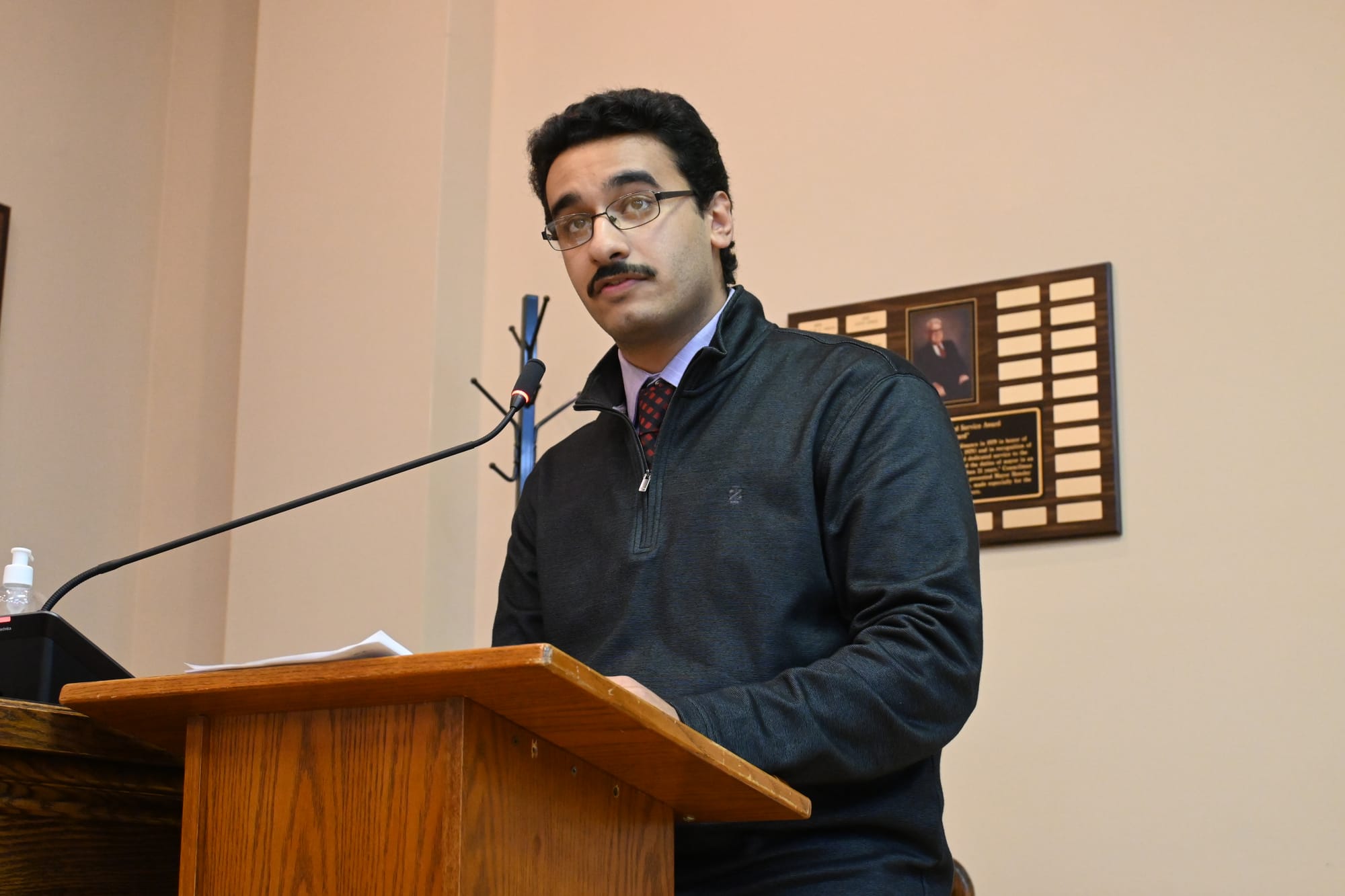
Student Ameer Abedy objected to using ALPRs to "automatically and systemically surveil individuals without making a distinction between innocent civilians and criminals". He questioned whether the cameras were necessary or simply aided investigations that could be solved without the ALPRs.
“A technology should not be retained simply because it is useful,” Abedy said. “If usefulness alone was sufficient justification for government surveillance, there would be virtually no meaningful limits on what the government could monitor. The relevant question is whether public benefit is sufficiently substantial to justify the intrusion [of privacy], and whether less intrusive alternatives could achieve comparable results.”
Abedy made three recommendations to the Council. These were to establish a transparent review process independent of the police department, to publish the police department’s policy regarding the usage of Flock cameras, and to establish a definite timeline regarding the review of the technology.
The BPD already does post its ALPR technology policy.
Berea resident and Kentucky State Police trooper, Toney Allen, spoke in favor of ALPRs. He emphasized their role in solving tough cases, including the apprehension of the suspect in the deadly US Bank branch armed robbery in Berea earlier this year.
(Ed. note: The Federal Bureau of Investigation is the official source for information about the bank robbery and killings. The Bureau has not confirmed to The Edge that ALPR technology helped apprehend the suspect.)
ALPR data was also used to apprehend the suspect in the shooting death of KSP Trooper Hayden Phillips in Warren County earlier this month, according to Allen.
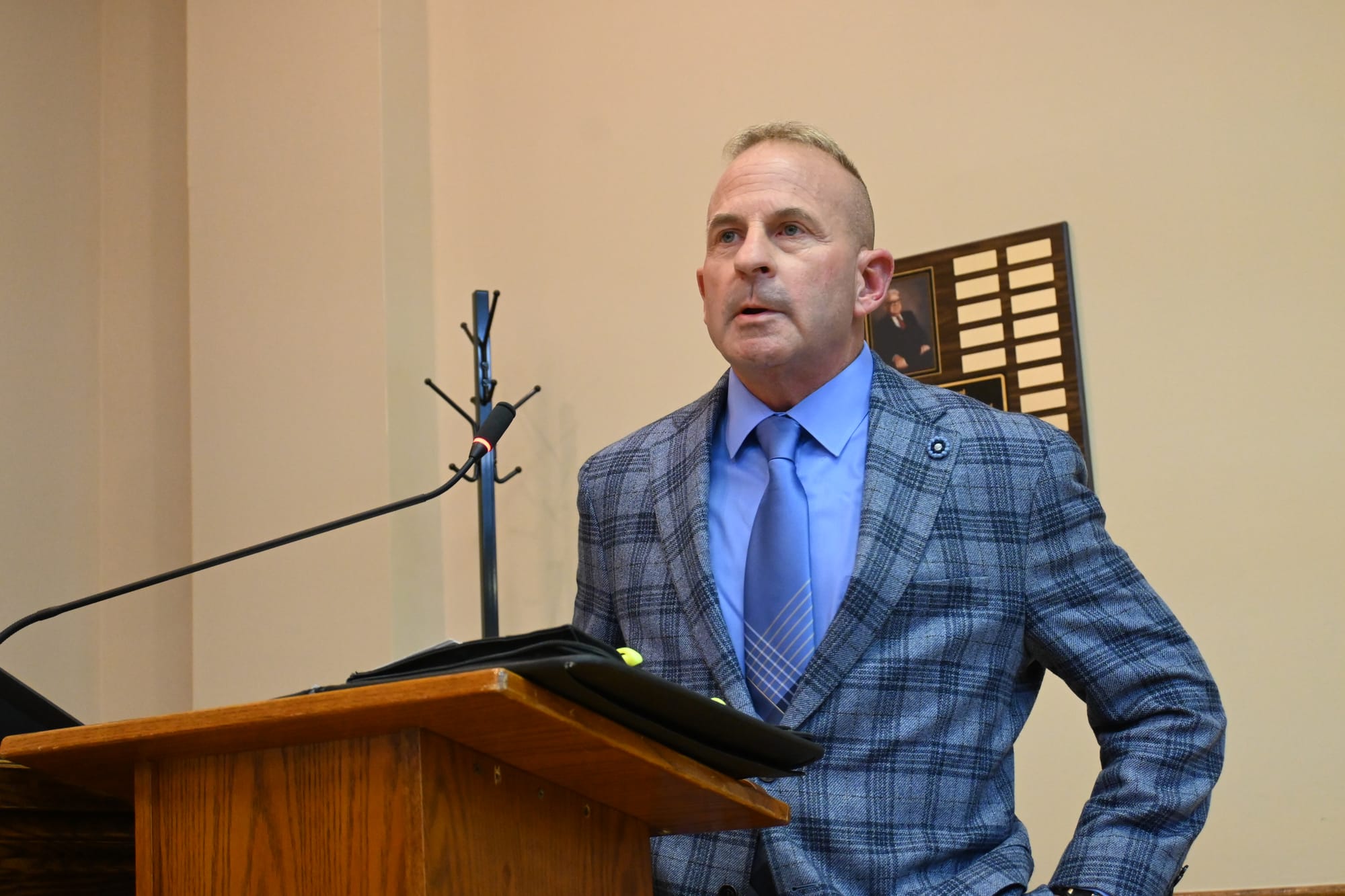
“State police have guidelines and policies for using Flock. Now we see on the news where there’s been some police agencies ... [using] it for interpersonal things,” Allen said. “We don’t like that as law enforcement to see another law enforcement officer agency misusing [Flock].”
All Councilmembers thanked the public commenters for sharing their concerns about the Flock Safety cameras. Several also encouraged citizens to email more information to the Council, which residents can do here:
Councilmember Steve Caudill assured the public their comments were not being ignored and proposed that the Council make some progress on reviewing the technology by mid-November.
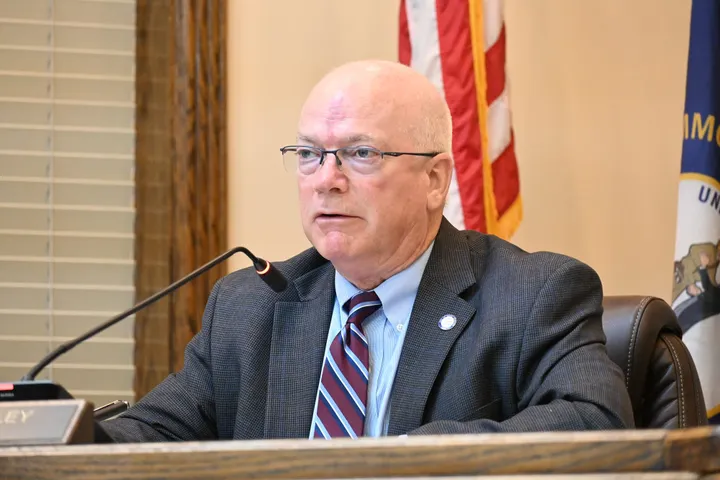
He also said that he has no concerns over the way the technology is utilized by the Berea Police Department but understands the wider concerns about how the data is collected and managed by a national corporation.
Councilmembers John Payne and Virgil Burnside said that debate over the use of ALPRs is about the company and not about the Berea Police Department.
“It’s not about the tools they’re using, it’s really about the company Flock and how they aggregate your data,” Burnside said. “Cities and others who go and have a grievance with them do not have control over how [Flock] use[s] their data and what they do with your stuff.”
Sign up for The Edge, our free email newsletter.
Get the latest stories right in your inbox.