
P and Z considers mandating private green spaces, swapping parks for bike trails
RICHMOND—Proposed ordinances to tuck green and other natural spaces into privately owned property for future housing developments and to mandate bike lanes instead of parks in residential zones were discussed during a special called Planning and Zoning meeting held on Sept. 30.
'Limit of disturbance'
The Commission considered an ordinance that would require developers to extend private property lines to include preservation zones for green spaces such as creeks. The responsibility to maintain these naturally occurring, private green spaces would fall upon the property owner, Director Kevin Causey said. The proposed ordinance would only apply to new housing development plans, and would not be retroactive for existing developments.
The proposal arose from a previous P and Z discussion about how to ensure the upkeep of common areas in developments with defunct home owner associations.
Typically, developers designate green spaces in their building plans as common areas that include open space and natural environmental buffers such as trees, according to Causey. The proposed ordinance would solve the issue of trying to force unresponsive HOAs to maintain overgrown open spaces while also protecting natural green spaces from being cleared during initial site grading or future construction, he said.
Prior to construction, developers will submit building plans that include existing natural green space as part of private property lots. These lots will be separated into a buildable area and green space preservation zone by a line called the "limit of disturbance". The placement of the line will be proposed by the developer and approved by P and Z. The buildable area will be subject to the appropriate codes as outlined in the City’s development ordinance, Causey said.
The preservation zone would be a non-buildable area that exists to preserve greenspace such as trees and creeks, he said. Requirements will be mandated through deed restrictions and covenants. Owners will not be allowed to cut down native trees, clear underbrush, or apply chemical pesticides in these areas, according to Causey.
Code violations for overgrown vegetation would not apply to this area, he said. Additionally homeowners would not be allowed to have fencing past the limit of disturbance.
Commissioner Mike Francis asked how the ordinance would apply to existing subdivisions where developers seek to build more houses. The new ordinance would apply only to the new houses, according to Causey. However, it is possible for property owners of existing houses in the area to extend their lots to include green spaces by mutual consent and approval from the HOA, City Attorney Chris Johnson said.
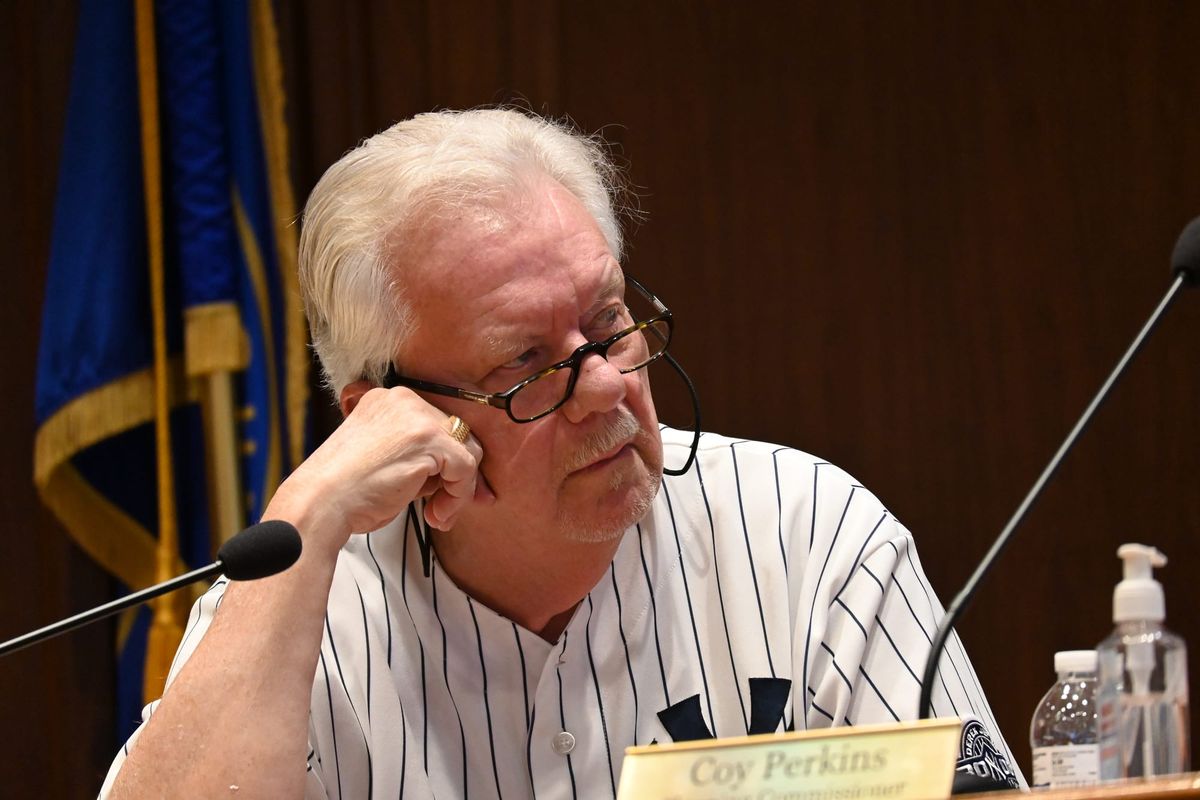
Commissioner Coy Perkins asked whether the limit of disturbance would be visible. Causey said that there will be markers placed by the developers. Perkins also mentioned that potential home buyers might be confused by the requirements of the preservation zone.
“The answer to that is due diligence,” Causey said. “If you’re buying, you should know what you’re buying.”
Parks are 'too noisy'
Causey also proposed removing the City's current requirement for developers to include a park in proposed R-1 and R-2 single family residential zoned subdivisions. Instead, the City could mandate bike paths and walking trails.
The City has received multiple noise complaints from people who live near existing parks who claim teenagers use the parks as hang outs, Causey said. Removing the park requirement and mandating bike lanes instead would resolve this issue and make everyone happy, he said.
“We have had enough complaints and enough experience, that [if] something isn’t really working with our citizens, [then] I think we should adapt,” Causey said. “And we get a trade off for something better that the community seems to want, [which] is bike lanes, bike travel.”
However, Causey said he does not want to remove the park requirement for proposed developments in R-3 multi-family residential zones.
“If you’re in an R-2 or R-1, you have a yard to play in, you can put up your swing set for the kids,” Causey said. “If you’re in an R-3, you don’t have that."
Commission Chair Eugene Estelle asked what the next steps were for both green space and recreational requirements. Causey said Johnson would have to write new ordinances and together they would review existing ones to ensure there are no conflicts. Once this is complete, P and Z will vote to recommend their findings to the City Commission who will vote on the final ordinance.
Sign up for The Edge, our free email newsletter.
Get the latest stories right in your inbox.


