
Shared use paths democratize transportation, 'save lives', say bike advocates
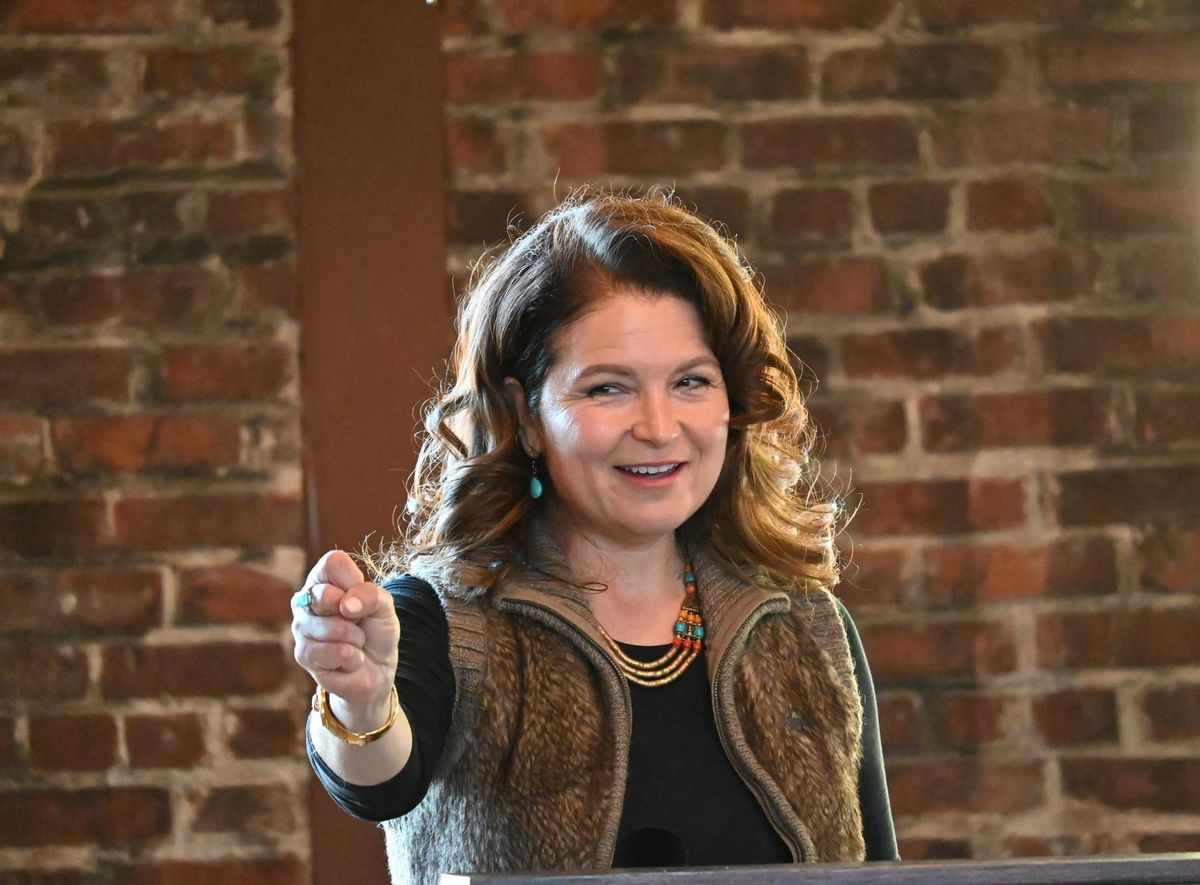
BEREA–Integrating multi-use trails into city planning along with designing transportation networks for vulnerable road users was the focus of a state bicycling agency last month.
“By the time the city grows, it's too late if you don't have [multi-use trails],” Helen Bukulmez, who chairs the Kentucky Bicycle and Bikeway Commission, told the Edge in an interview during the group's annual conference on Oct. 23.
“Somebody needs to think about it, somebody needs to talk about it, and that’s why this conference is so important to me," Bukulmez said in the interview.
Multi-use trails, which are shared between pedestrians and cyclists, benefit the entire community, not just bike enthusiasts, according to Bukulmez. They ensure safe travel around a city or town for individuals who might not have cars, such as immigrants and the homeless, she said.
"Although we have great people who choose bicycling as a hobby, we also have people who don’t have a choice but to walk,” Bukulmez said.
State Treasurer Mark Metcalf was in attendance and told The Edge in an interview that the conference was "needed".
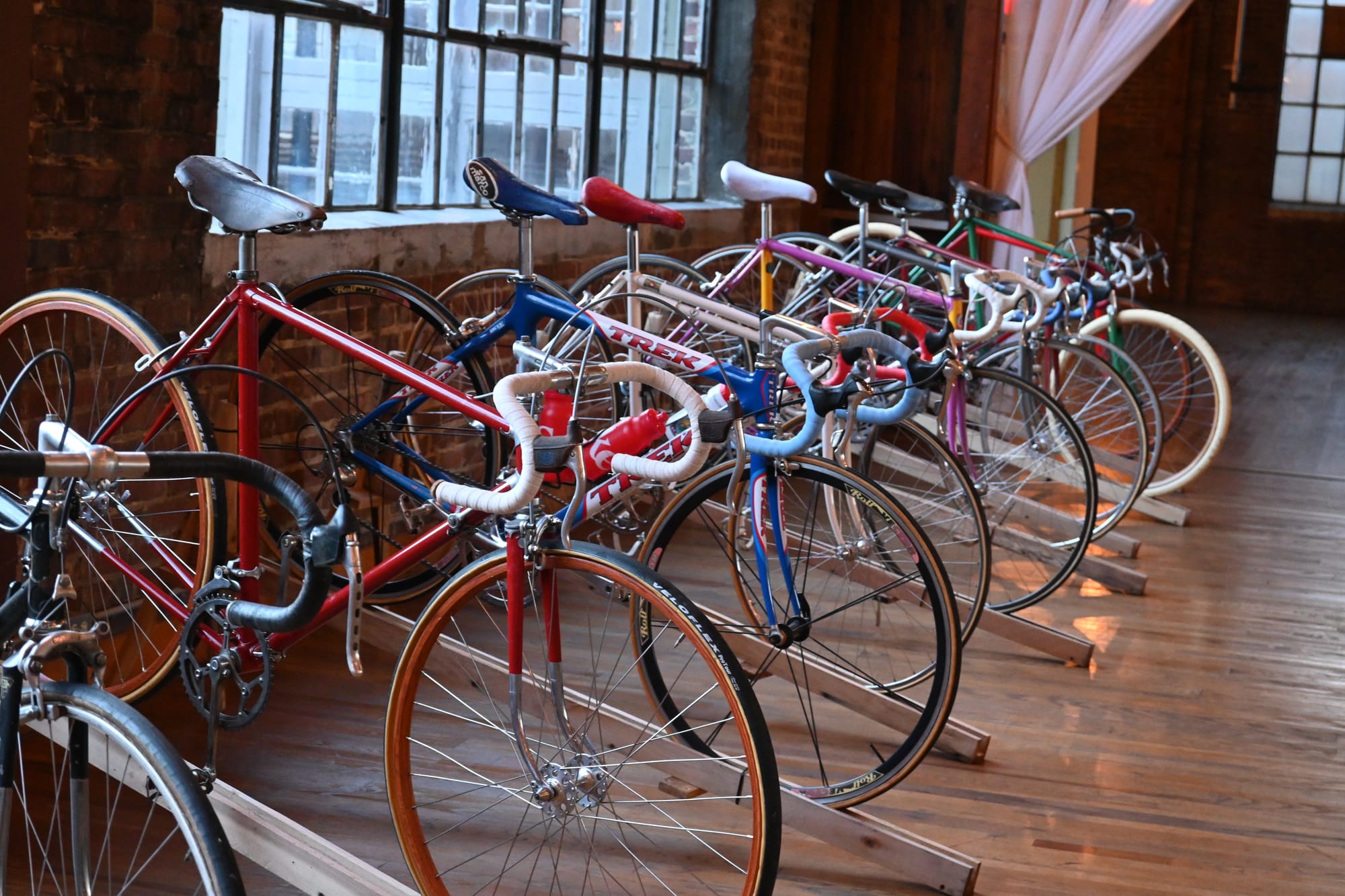
"[There are] very few places you can go into Kentucky today, or anywhere else, and see a bike collection, learn about bike routes and bikeways, and see people who share a common interest in getting out and enjoying the trails that Kentucky has created for bikers," Metcalf told The Edge. "It's great to have a football game, but it's great to have a bike conference too."
The conference was hosted at Churchill's in Berea. Under Mayor Bruce Fraley, the City's designation as a Kentucky Trail Town has become key to its identity, as indicated by discussion about it during recent candidate forums held before the general election earlier this month.
During his opening remarks, Fraley invited conference attendees to explore some of the trails available in the Berea area, such as the Pinnacles. Berea Tourism Director Nancy Conley added that shared use paths help connect people to local businesses, farms, and culture to the outdoors.
In 2022, the Kentucky Transportation Cabinet’s Complete Streets, Roads, and Highways Manual replaced pedestrian and bicycle travel policy drafted in 2002. This was a shift from designing streets and highways primarily around vehicle traffic to designing transportation networks for all types of road users, according to KYTC's website.
Part of the reason for the policy shift was because vehicle size has increased drastically since the '90s and early 2000s, making travel more dangerous for cyclists and pedestrians, KYTC Division of Planning Director Mikael Pelfrey said during the event’s opening ceremony.
But a study conducted in Virginia found that lack of funding and public support, as well as difficulty in acquiring right-of-ways, can act as barriers to integrating bicycle infrastructure.
Identifying a problem area for vulnerable road users, developing a plan, working together with city, county, and state officials, and partnering with community organizations are some of the steps that need to be taken in order to successfully develop “complete streets,” Joy Brown, incoming chair of the Commission and the director of Morehead Tourism, said during her presentation.
This process of collaboration was how Brown was able to help implement two crosswalks and a shared-used path in Morehead, she said.
Brown emphasized the importance of involving the public in the planning process, and of making progress on the bike/pedestrian plan visible so that it is clear what can be accomplished by the community. She also discussed the public safety aspect of active transportation networks, in that they remove pedestrian and bike traffic from busy roads where the risk for accidents is greater.
Shared-use transportation networks also support health and wellness, according to Troy Hearn from the state's public health department. Heart disease is the leading cause of death in the US, with Kentucky ranking eighth nationally in heart disease-related mortality rates, according to federal data. Riding a bike or walking can lower the risk of heart disease, Hearn said.
“The health industry [is] focused on getting people that 150 minutes a week or so many minutes a day of physical activity,” Hearn said. “Nobody ever asked, do you have a safe place to go walk or bike?”
Paved pathways only last around 50 years, which means that many places have sidewalks that need to be replaced, according to Hearn. Cities need to prioritize the most important locations that require pedestrian infrastructure, and community members can help local officials with identifying these areas, he said.
“You don’t have to be an engineer or an elected official [to advocate] for this stuff, at some point a smarter person has to look at the idea and make sure that it’s done right.” Hearn said. “Find out who you could talk to to get permission to be the person that helps. Because if it’s not us, then honestly, it’s not going to be anybody.”
Sign up for The Edge, our free email newsletter.
Get the latest stories right in your inbox.